

Last Updated on April 7, 2019
Exploring The Causses and Cevennes:
A few months ago I went to a reception at the Residence of the French Ambassador in London. A celebration of the addition of the territory to the UNESCO World Heritage List in the ‘continuing evolving cultural landscapes’ for ‘Mediterranean agro-pastoralism’. The presentation showed a wonderful landscape – around 3,000 square kilometres over two regions of France, covering the four counties of Herault, Gard, Aveyron and Lozere. I thought I knew France reasonable well but this territory was completely unknown to me and I was determined to find out more.

I was lucky enough to be invited on a short trip to find out more about the territory – and over the next few weeks I’ll be writing up much of what I saw and learnt in more detail. But for now, here’s a taster of this unspoilt part of France where life continues much as it has done for hundreds of years. It is, as I understand, the dramatic and at times challenging landscape of the Causses and Cevennes which has acted as a natural brake on development.
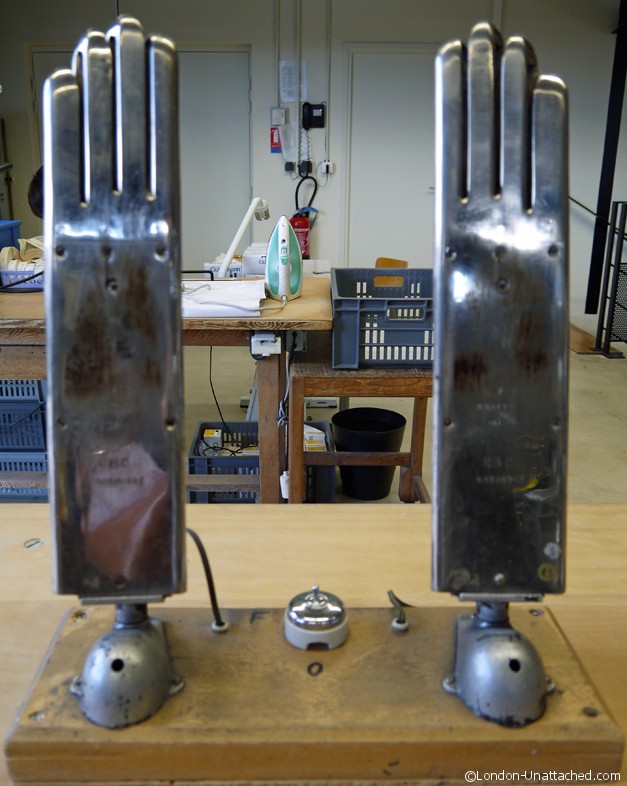
Our first stop was at Causse, one of the most famous glove manufacturer in the world, in Millau. We watched craftsmen painstakingly hand cutting and sewing fine leathers to make gloves for some of the leading fashion brands in the world.

Then, on to see the highest bridge tower in the world and the highest road bridge in Europe the Millau Viaduct, designed by Norman Foster and Michel Virlogeux.

Our eight kilometre boat trip along the River Tarn took us right under the bridge and then down to the pretty village of Peyre.
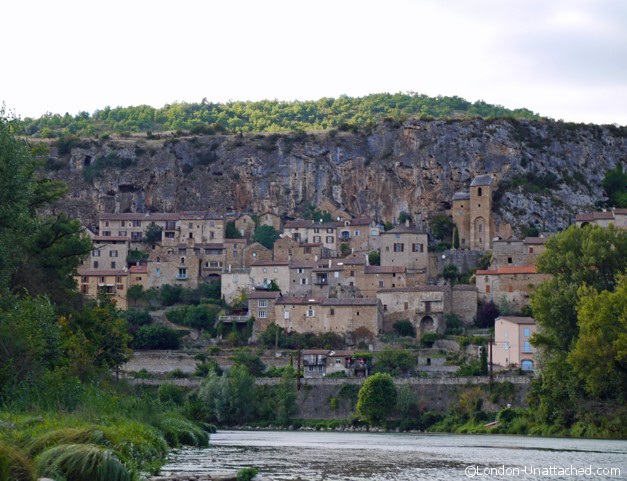
We travelled around the territory, visiting Templier and Hospitalier fortified villages.

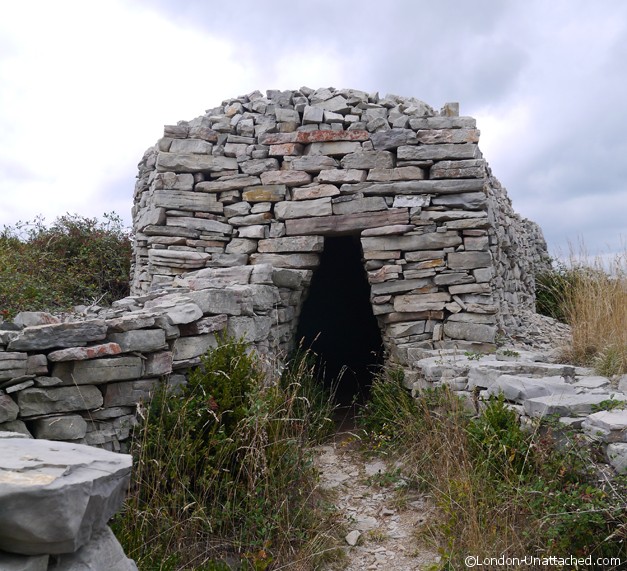
We met farmers and learnt about the farming traditions of the region. This remote limestone shelter provides a home for both shepherd and sheep, with a small room to the rear of the construction reserved for human occupation and protected from the elements by the other woolier occupants…
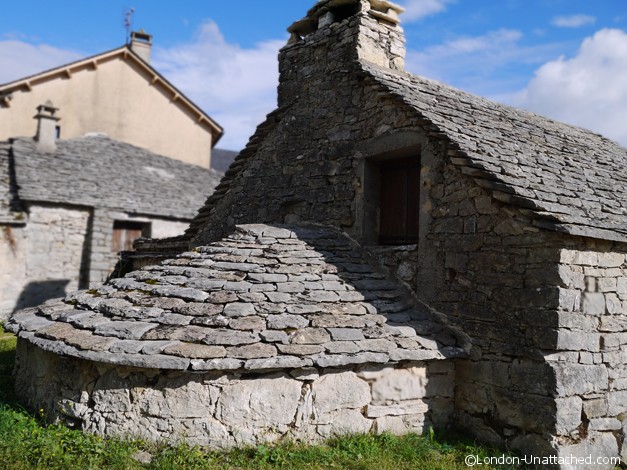
We visited the farm at Caussenarde where the house, barn and bread oven has been preserved as it was a century ago, thanks to the insight of the current owner’s father.
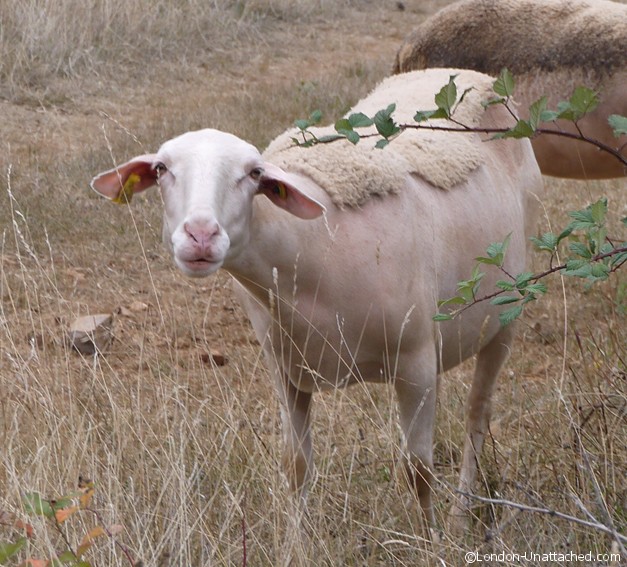
And we met a few sheep along the way. Some were bred for their milk, used to make the famous Roquefort cheese, whilst others were intended to be used for meat.
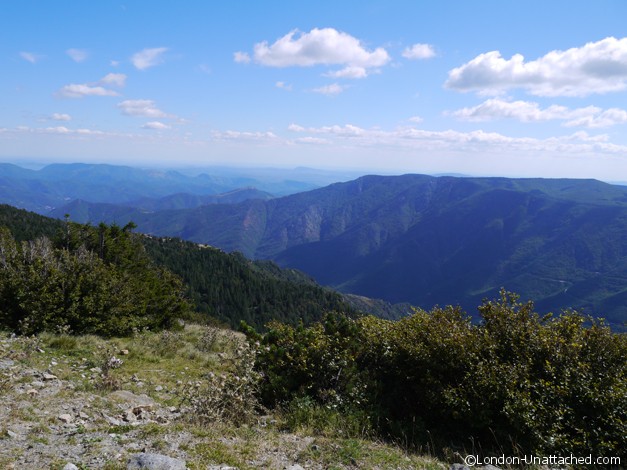
 The climate is all important and Mont Aigoual at 1,596m above sealevel is home to a meteorological station and exhibition, between May and September. For the rest of the year, the centre is inaccessible due to wind, ice and snow.
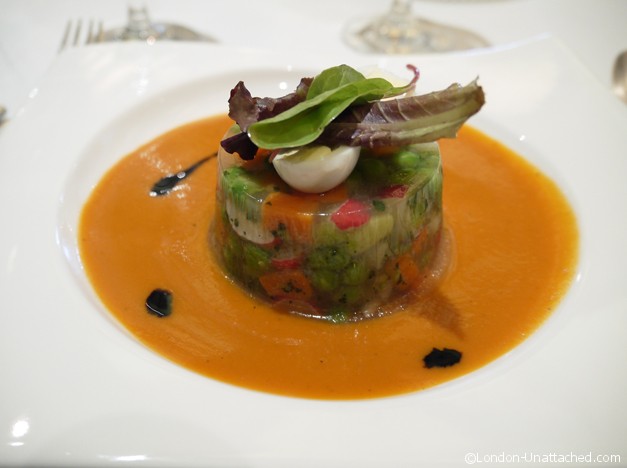
We ate VERY well throughout our trip. Regional specialities featured heavily and the food was consistently fresh and seasonal. I’m planning on writing more about some of the meals we enjoyed, but this boudin noir in filo was stunning.

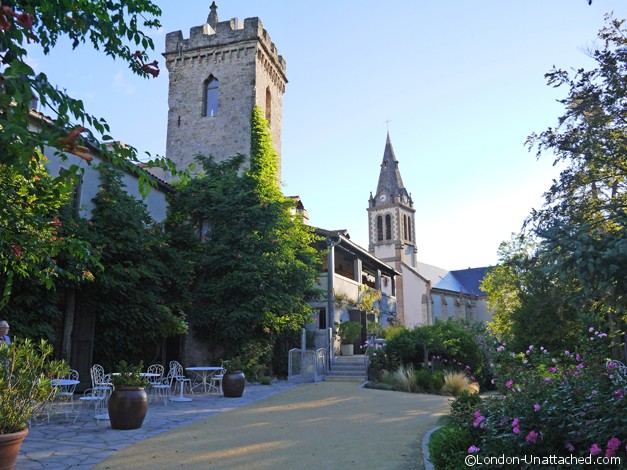
We stayed in some amazing places, which deserve more attention than a one line reference in a thank-you post.
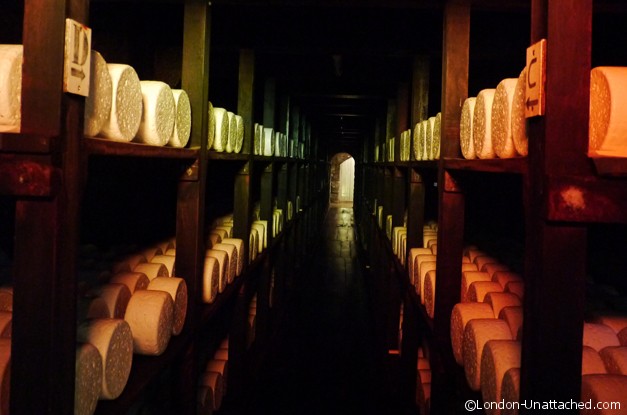
And of course, we learnt about Roquefort, with a visit to the caves of the Societe, the largest of the seven producers of PDO Roquefort. There’s much more to tell. I hope I’ve whetted your appetite to read my next post about this fascinating and historically intriguing area.
More thanks to Jackie Bru, Inger Berckhauer and Lysiane Boissy d’Anglas from the tourist offices of Causses et Cevennes for their guidance and hospitality on this trip for their guidance and hospitality on this trip.
More posts will follow looking at the unique geography, the wonderful hotels and the very special food and wines of the area. There is so much more to write but it is the passion and enthusiasm of the people in France that made this trip so special and brought the region to life.


What a beautiful teaser this was! I’ve never heard of this part of France, but it seems like it would be a very relaxing place to visit. I love the old stone houses, and the trip to the glove making place…how unique!
Looking forward to reading more!
The sheep WANTED to be captured on camera!
France???? I thought those names sounded so Eastern Euro..love the rural lifestyle.
It was an amazing place. They have a landscape that is similar to mongolia and even have some of the earliest breeds of wild horses roaming on the plateaus
amazing photos.. of grand places and lovely food!! YUM.. and envy!
Is that the same sheep on the plate?
cynic! It’s boudin noir on the plate which I believe is made from pigs blood…
You always travel to the most interesting places. I’ve recently been reading about this area so can’t wait to hear more about the trip.